Affordable Care Act

Enhanced Premium tax credits

2025 KFF Marketplace Enrollees Survey

If their premium payments double, about one in three ACA enrollees say they would be “very likely” to look for a lower-premium Marketplace plan.

Updated Larry QT on ePTCs

There is No Drop-Dead Date for an ACA Tax Credit Extension, But Coverage Losses Will Mount as the Clock Ticks

A discharge petition in the House paves the way for a vote on a three-year extension of the tax credits, which would provide ACA enrollees premium relief whenever it comes. While there is still time to extend the enhanced tax credits, with each passing day, more and more ACA Marketplace enrollees are going to drop their health insurance when faced with eye-popping increases in their premium payments, writes KFF’s Larry Levitt.

Timely insights and analysis from KFF staff

Subscribe to KFF Emails

Choose which emails are best for you.
Sign up here

Filter

1 - 10 of 2,757 Results

  • An image of text is an excerpt from Jared Ortaliza's quick take which reads, "Data currently being released represent Open Enrollment Marketplace plan selections, or how many people have signed up for or been automatically renewed into 2026 coverage. These data do not necessarily translate to effectuated enrollments. That is because people who have selected a plan or been automatically renewed may not ultimately choose to pay for their plan, thus “effectuating” their coverage."

    ACA Sign-Ups Are Down by Over a Million People, But It’s Still an Incomplete Picture

    Quick Take

    Data currently being released represent Open Enrollment Marketplace plan selections, or how many people have signed up for or been automatically renewed into 2026 coverage. These data do not necessarily translate to effectuated enrollments. That is because people who have selected a plan or been automatically renewed may not ultimately choose to pay for their plan, thus “effectuating” their coverage.

  • KFF Health Tracking Poll: Health Care Costs, Expiring ACA Tax Credits, and the 2026 Midterms

    Poll Finding

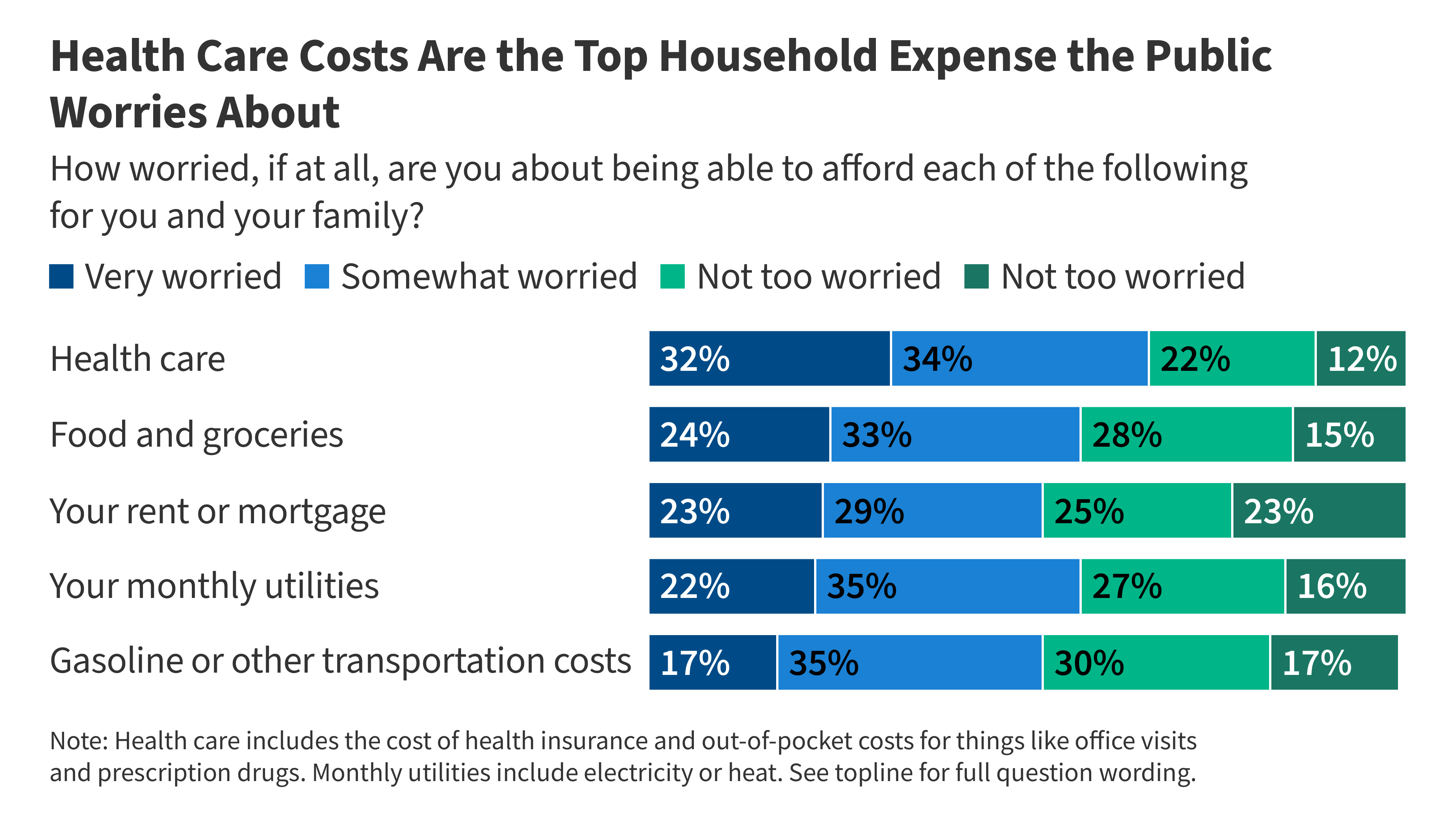
    Looking ahead to the midterm elections, health care costs are the public’s top economic concern, and many voters say the issue will have a major impact on their vote. On health care issues, including the cost of health care, voters currently trust Democrats more than Republicans, though neither party has an advantage on addressing the overall cost of living. Following the expiration of the ACA enhanced tax credits, two-thirds of the public say Congress did the “wrong thing” by not extending them.

  • Status of State Medicaid Expansion Decisions

    Interactive

    This page displays an interactive map of the current status of state decisions on the Affordable Care Act's Medicaid expansion. Additional Medicaid expansion resources are listed (with links) below the map.

  • State-Based Efforts Will Provide Limited Relief from Enhanced Tax Credit Expiration

    State-Based Efforts Will Provide Limited Relief from Enhanced Tax Credit Expiration

    Policy Watch

    After failed Senate votes late last year and no subsequent bipartisan agreement, the enhanced premium tax credits expired as of January 1. Some states, particularly those operating State-Based Marketplaces (SBMs), have been preparing for this possibility for months and are moving to blunt the impact on consumers by implementing their own state-funded subsidies and implementing other programs aimed at stabilizing the cost of unsubsidized premiums.

  • How Unaffordable is Health Care?

    Perspective

    In his latest JAMA Forum column, KFF’s Larry Levitt explores how unaffordable health care is in the U.S. in the context of the debate over extending enhanced Affordable Care Act premium tax credits and an upcoming election where affordability will likely be front and center.

  • Trump Has No Health Plan, He Has the Art of the Health Care Deal

    Trump Has No Health Plan, He Has the Art of the Health Care Deal

    From Drew Altman

    In his first column for the new year, KFF CEO Dr. Drew Altman analyzes President Trump’s “make a deal” approach to health care. He explains that while the president doesn’t have a health reform plan, or even “concepts of a plan,” or a replacement for the ACA, he does have a distinctive set of tactics that features one-off deals with the health care industry that are more like “health policy by transaction.” He writes that the deals “even do some good,” but “don’t change the long-term incentives of the health care companies that participate in the deals,” and a big question is “whether they have staying power.”